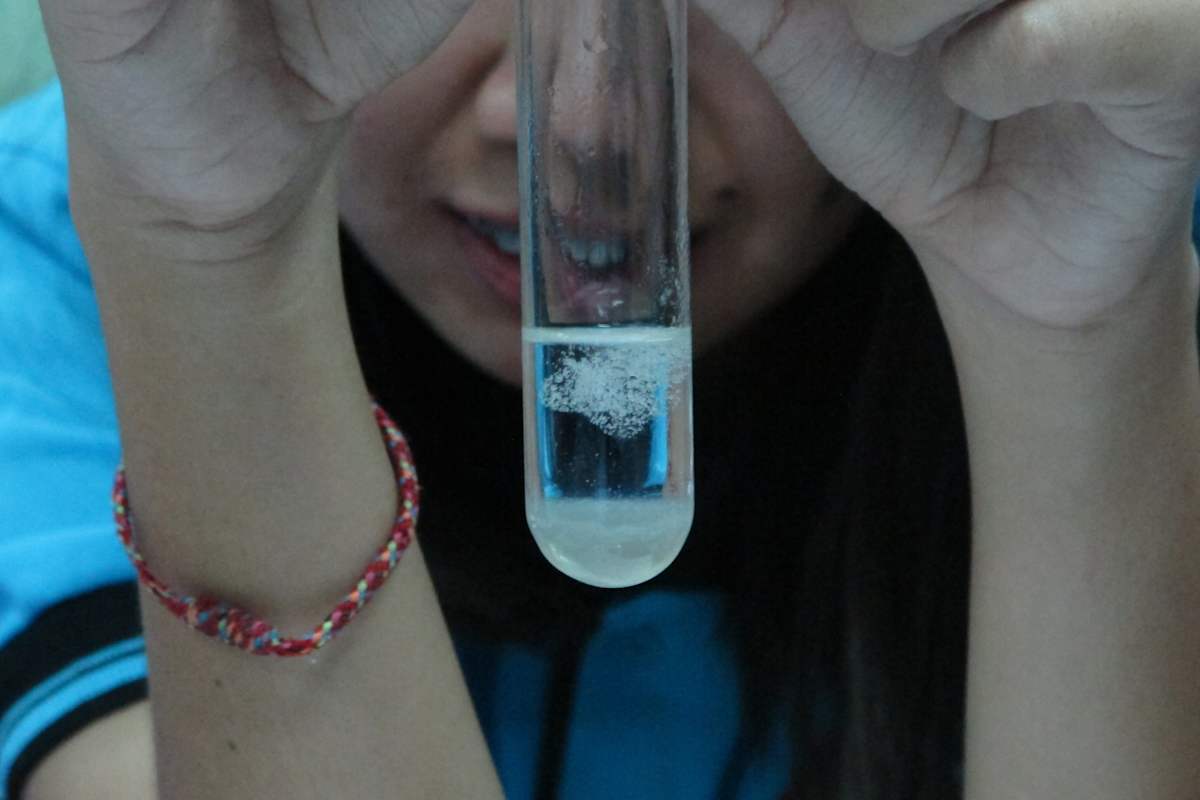
A DNA sample can remain in storage for years without giving investigators a name. Genetic genealogy can offer another route: finding people who may be biologically related to whoever left that sample, then tracing the family connections between them.
The technique drew widespread attention after it helped investigators identify Joseph James DeAngelo as the Golden State Killer in 2018. Its use also extends to identifying human remains. For families following cold cases, understanding the process explains why a promising DNA match can require extensive research before investigators establish an identity. Laboratory testing, family records, and independent confirmation each answer a different part of that question.
What a DNA Database Search Can Reveal
Traditional forensic testing commonly examines repeating stretches of DNA called short tandem repeats, or STRs. Investigators can compare profiles from evidence with profiles in criminal justice databases, including the Combined DNA Index System, known as CODIS. These searches can produce a lead when a suitable matching profile is available.
According to a 2026 review in the International Journal of Molecular Sciences, genetic genealogy uses DNA profiles based on variations called single nucleotide polymorphisms, or SNPs. Comparisons of shared stretches of DNA can reveal possible relatives even when the unknown person has never submitted a sample to a genealogy database.
The review also explains why the evidence itself matters. Degraded, contaminated, or mixed samples can complicate testing and reduce the usefulness of the resulting profile. A sample’s availability does not guarantee that it will produce a useful genealogy match.

How Family Records Narrow the Search
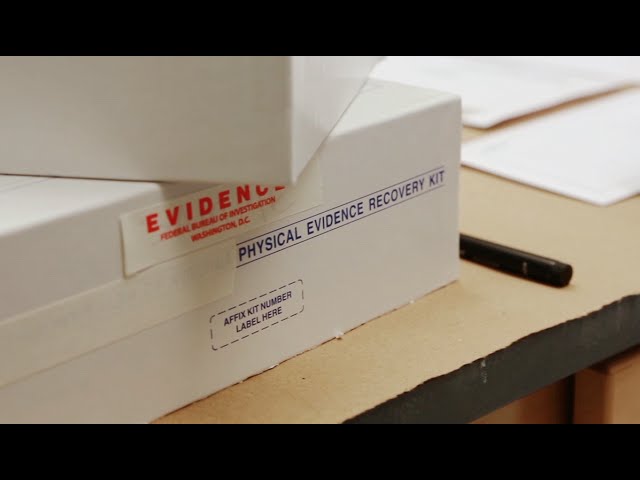
A database match may point toward a relative rather than the person investigators are trying to identify. That relationship provides a starting point for genealogical research.
Caroline Levine’s 2024 analysis in Cardozo Law Review describes how researchers use birth records, census records, obituaries, and other information to construct family trees. They look for shared ancestors and trace descendants, combining those findings with details relevant to the investigation.
This stage requires interpretation. The molecular sciences review explains that different family relationships can produce overlapping amounts of shared DNA. Missing records, adoption, and unexpected biological relationships can complicate the family tree. Age, location, and the timing of events can help narrow possible identities, while additional testing of relatives may help researchers evaluate a particular branch.
Why a Promising Lead Needs Confirmation
Finding a person on a family tree does not establish that the person supplied the original DNA. Independent forensic confirmation is a separate step. It commonly involves STR testing, comparison with a reference sample or another validated identification procedure, according to the molecular sciences review.
The process also raises privacy questions. A 2022 commentary in Forensic Science Review, by Helena Machado and Susana Silva, discusses how one participant’s DNA can reveal connections to relatives who never joined the database.
A study published in PLOS Genetics in January 2025 illustrates concerns about database access. Of 31 expert survey respondents, 27 opposed law enforcement participation against databases’ terms of service. The survey was conducted in 2023 among selected experts, so the results do not measure public opinion. The authors reported no complete consensus on any practice.
Where Readers Can Learn More
Readers can consult the molecular sciences review for further explanations of DNA comparisons, family-tree research and testing limitations. The other linked articles examine privacy and legal questions. Together, they explain the work between finding a possible relative and confirming whose DNA investigators have recovered.
Featured image: Strawberry DNA extraction, shown as an educational illustration rather than evidence from a criminal case. “DNA Extraction” by Joo Nath, via Wikimedia Commons, licensed under CC BY-SA 4.0. Image used without alteration.